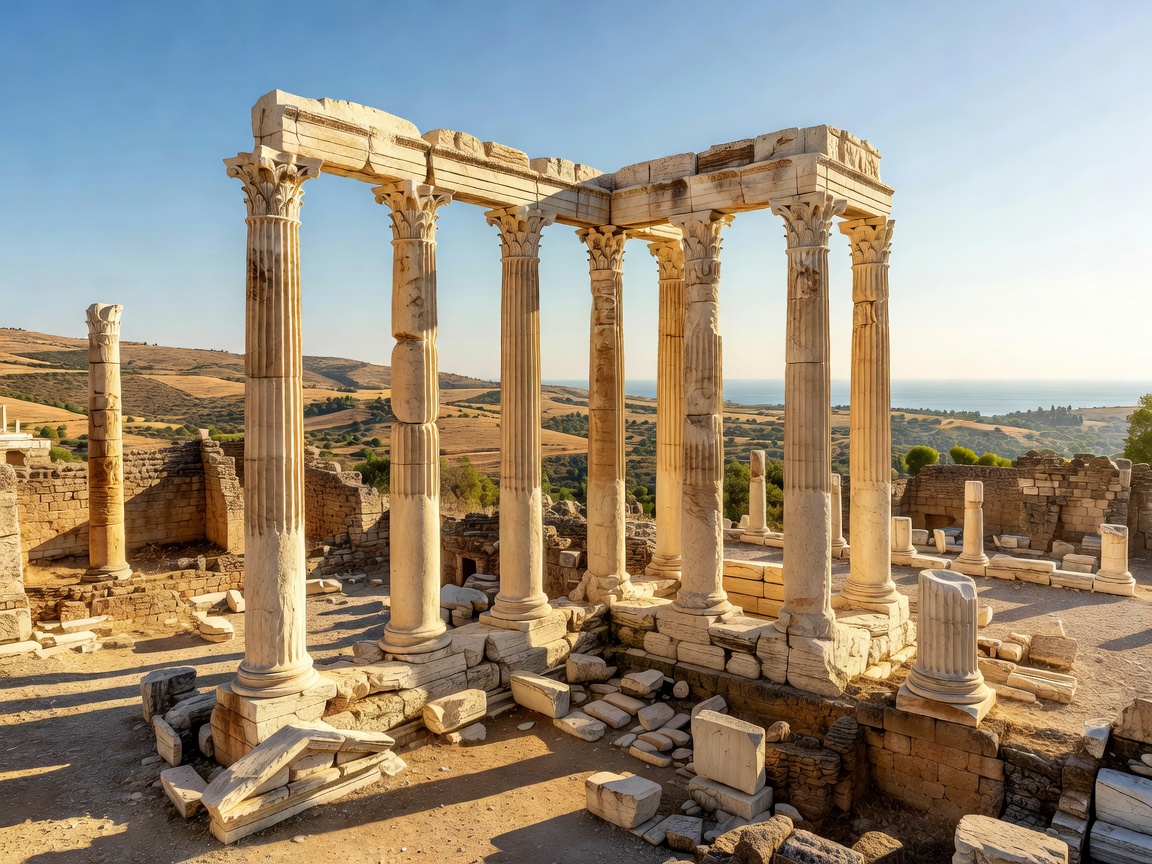
Classical Antiquity defined European legal codes, architectural forms (the arch, vault, and dome), civic organization, and urban planning. From the Roman Forum and Pompeii's preserved frescoes to Hadrian's Wall across northern Britannia, the scale of Roman infrastructure remains visible across 30 modern sovereign nations.
Roman engineers perfected hydraulic concrete (opus caementicium) by blending volcanic pozzolana from the Bay of Naples with lime, permitting underwater harbour structures and monumental domes like Rome's Pantheon.
Elliptical travertine stadium built between 72–80 CE for 50,000 spectators.
Three-tier 48.8m high Roman aqueduct crossing the Gardon River in France.
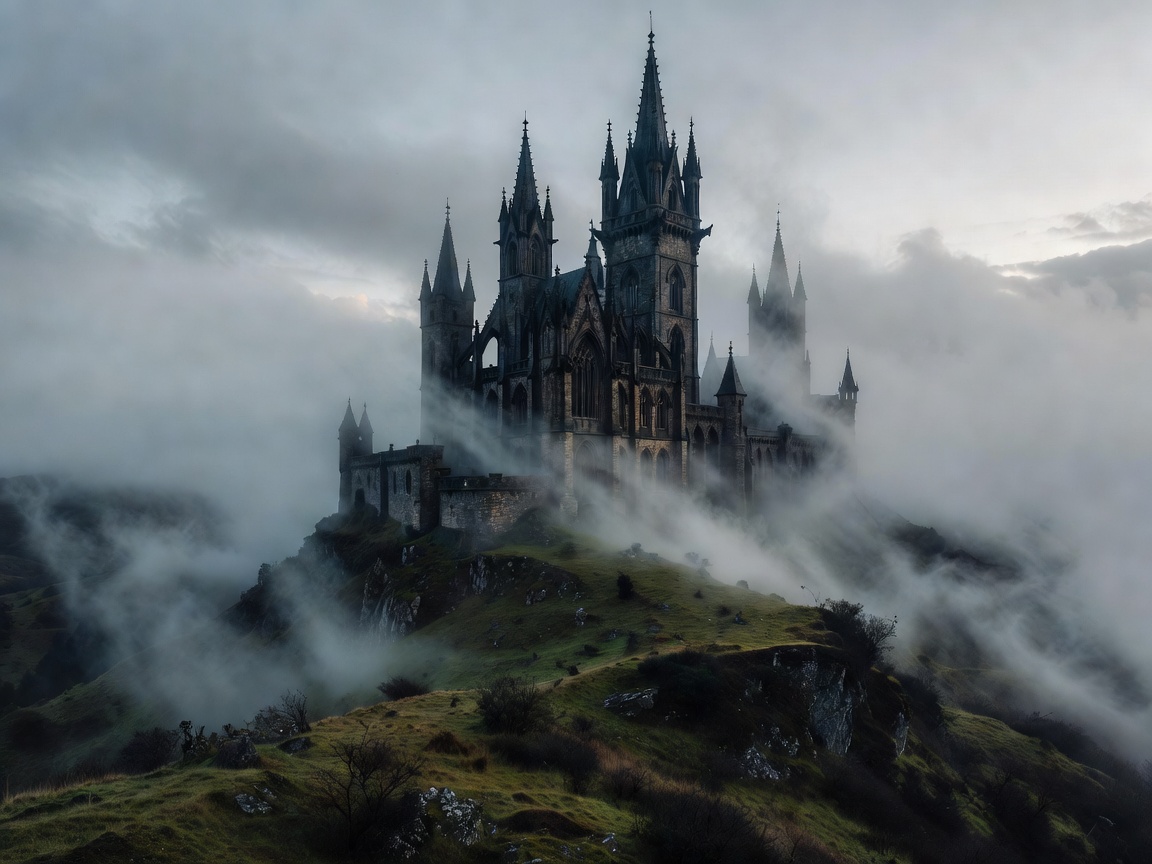
Far from the archaic trope of "Dark Ages," the European Medieval Era gave rise to breathtaking Gothic architecture, scholastic philosophy at Bologna and Paris, the monastic preservation of manuscripts, and complex mercantile federations like the Hanseatic League.
Military architecture evolved rapidly from simple motte-and-bailey timber structures to concentric stone keeps with machicolations, arrowslits, and wet moats capable of withstanding protracted sieges.
From the Bayeux tapestry to the cliffside keeps of Hastings and Normandy.
Benedictine abbey perched on a granite tidal island since the 8th century.
The fall of Constantinople in 1453 accelerated the flight of Greek scholars to Italian city-states, sparking a monumental rediscovery of Vitruvian proportion, perspective painting, and empirical science.
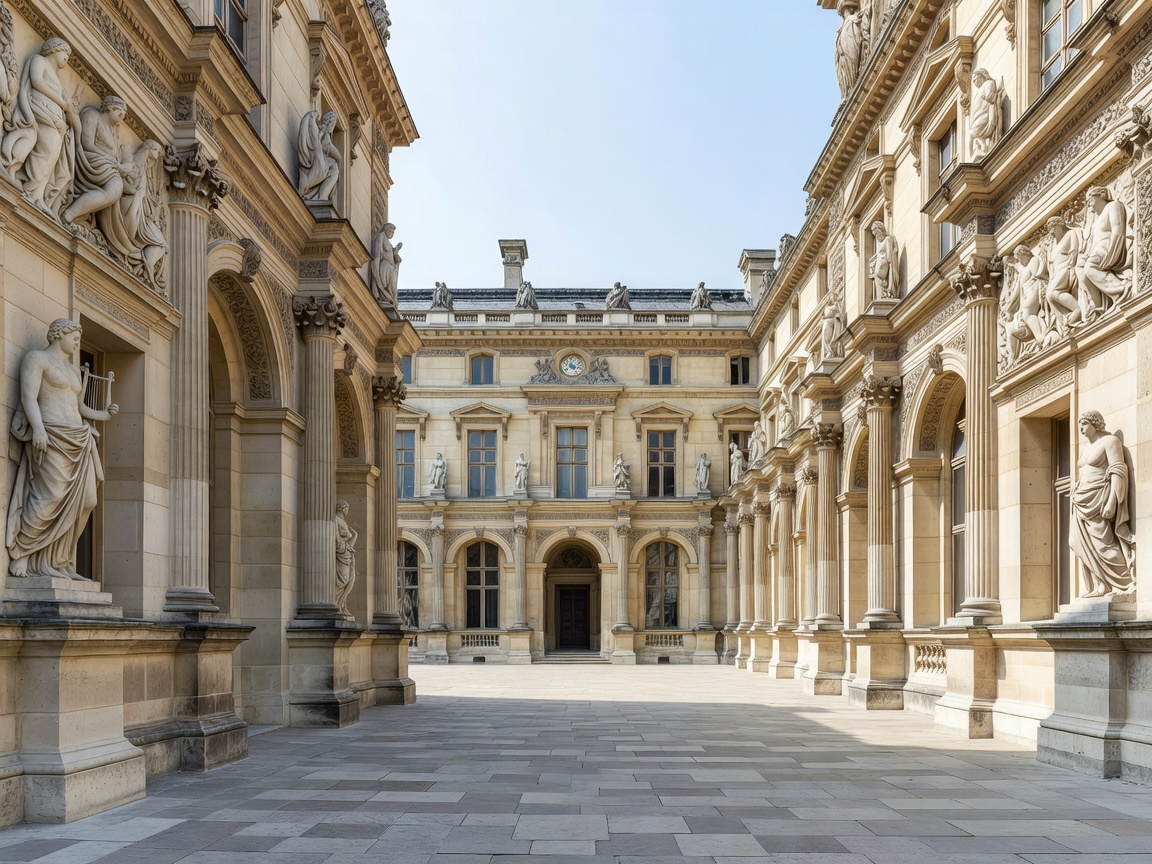
Monarchs consolidated absolute power through architectural extravagance, converting defensive fortresses like the Louvre into sprawling neoclassical palaces and cultivating vast art archives.
Capetian defensive fortress expanded by Francis I and Louis XIV into an artistic repository.
The nexus of Spanish imperial power, El Greco canvases, and steel forging.
The 20th century transformed the physical geography of Europe through industrialized total war. Concrete bunkers, artillery forts of the Maginot Line, and the Atlantic Wall seawalls remain sober architectural reminders of global conflict and the resilience of human rebuilding.
Historical preservation across Normandy, Verdun, and Bastogne now operates under strict international conservation agreements, ensuring battlefields serve as monuments to lasting peace.
Pointe du Hoc cliffs, Omaha Beach bunkers, and Sainte-Mère-Église.
Fort Douaumont and the subterranean underground galleries of 1916.